Add your promotional text...
PROXIMITY & SLEEP:
The Pile vs. The Burrow
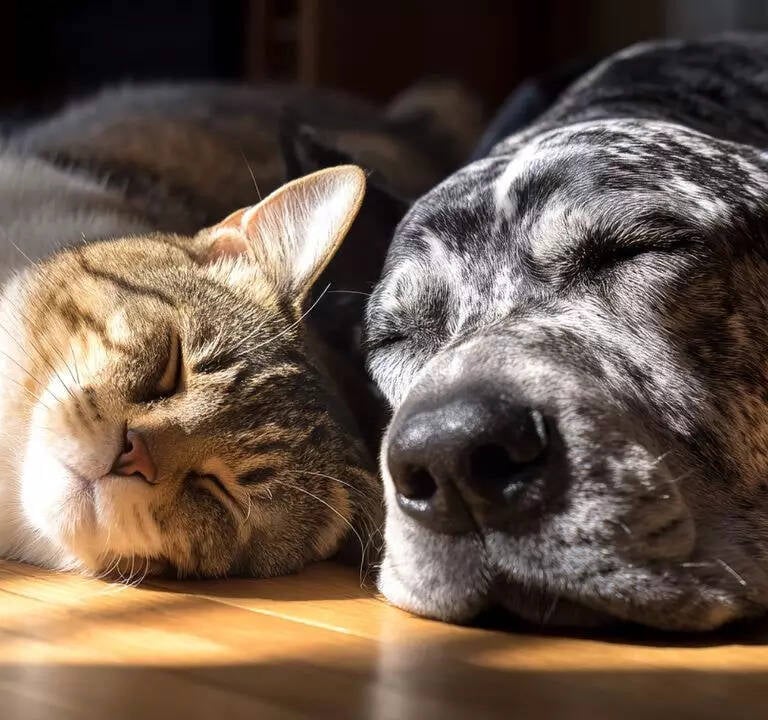
As we wrap up the Social Drive branch, we look at the most vulnerable state an animal can be in: sleep. In the Petz Logic framework, where and how an animal rests is the ultimate indicator of their social security. When the lights go out, the brain’s survival software takes over. Some are hardwired to seek the safety of the "Pile," while others only find true recovery within the fortified walls of a "Burrow."
To Stop Guessing why your pet is restless or why they insist on taking up half your bed, you have to understand the biological logic of proximity. By aligning their sleeping environment with their social baseline, you provide the neurological reset they need to be a balanced, confident companion during the day.
The Social Strategy: The Security Pile
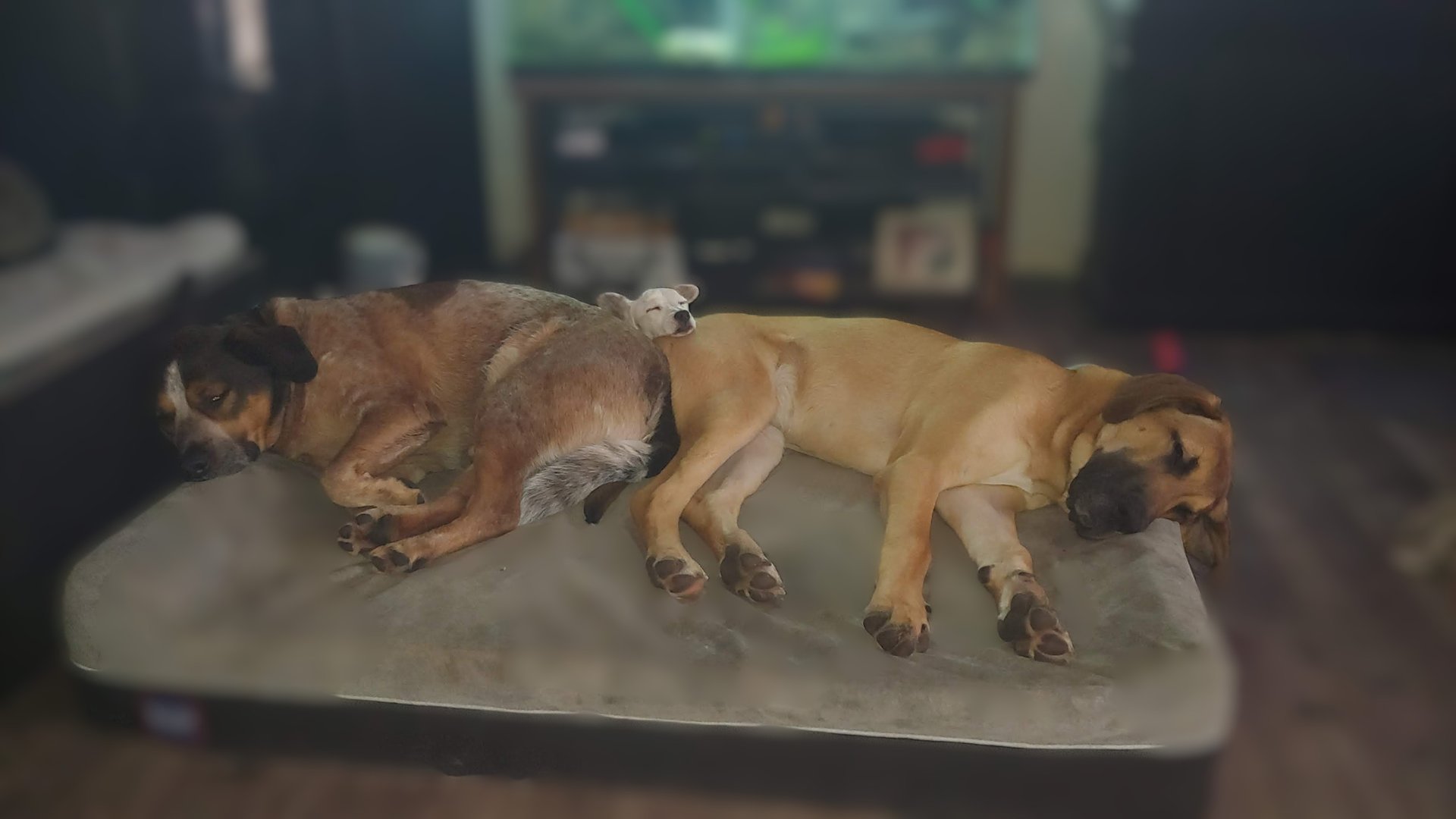
For Obligate Social species like dogs, rats, and parrots, sleep is a group activity. In the wild, sleeping in a "pile" served two critical purposes: shared warmth and shared sentry duty.
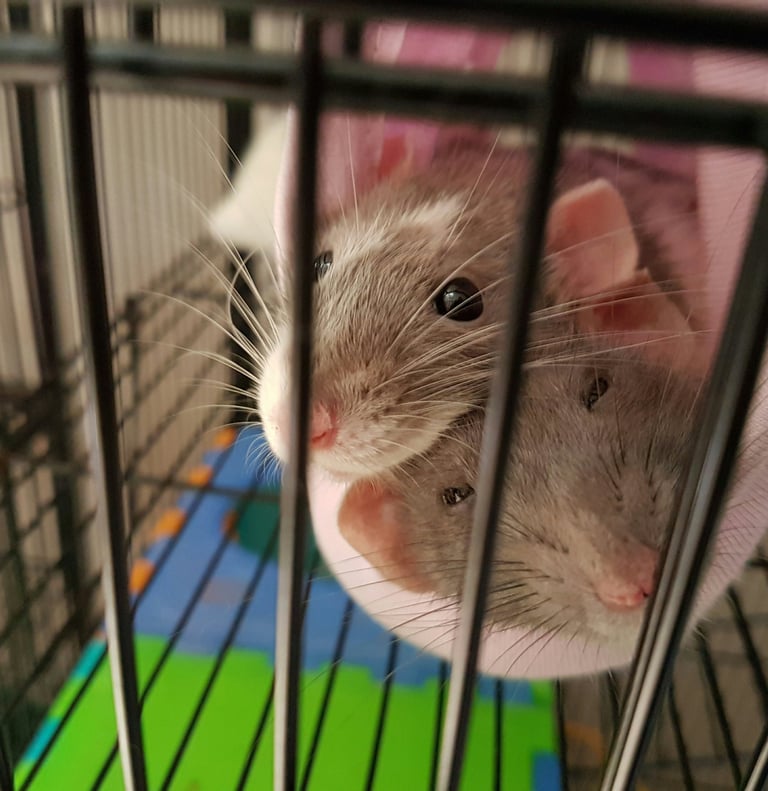
The Sentry Hand-off: When a social animal sleeps near their Lead or their pack, they feel they can finally enter a "Deep REM" state. They aren't the only ones watching the perimeter anymore. If your dog insists on touching your leg or your rats sleep in a single fuzzy heap, they are practicing Co-Regulated Security.
Building Confidence: Allowing a social pet to sleep in your proximity—even if it’s just in a bed on the floor next to yours—can actually reduce daytime separation distress. It reinforces the idea that the "Protective Unit" is intact, lowering their overall baseline of vigilance.
The Solitary Strategy: The Observation Burrow
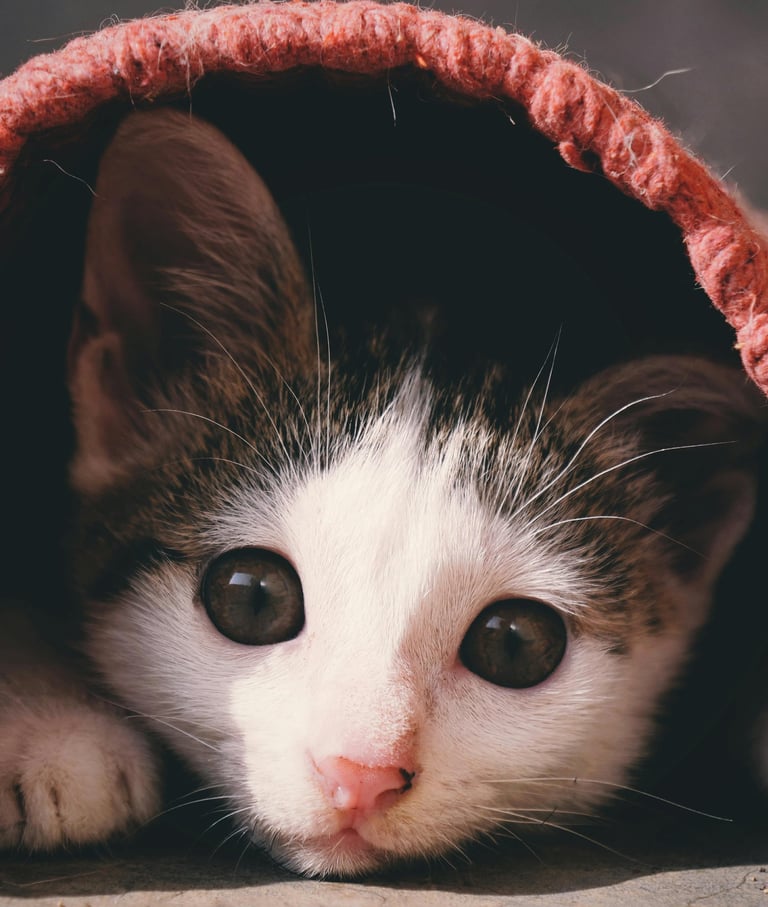
For Solitary Specialists and socially flexible pets like domestic cats, sleep is a private recovery window. To them, being "in the pile" can actually feel like a lack of control.
The Fortified Exit: These animals require a "Burrow"—a secluded, enclosed space where they feel invisible to the rest of the world. However, being solitary doesn't mean they want to be isolated. Many prefer a "Safe Zone" where they can observe the family’s movements without being forced into the center of the social chaos.
The High-Ground Advantage: For cats, the burrow is often elevated. By sleeping on a high shelf or a tall tree, they can monitor the "territory" while remaining physically out of reach. This satisfies their need for autonomy while still allowing them to feel like part of the household environment.

The Tech & Tools: Building the Perfect Rest Zone
To bridge the gap between human comfort and animal instinct, we use specific tools to anchor their environment. By providing high-quality resting spots, you are investing in their psychological recovery.
The Orthopedic Anchor (For Socials):
For larger social pets like dogs, a bed that provides physical support and high "bolster" sides can mimic the feeling of leaning against a pack mate.
Gear & Affiliates: Look for the Big Barker Orthopedic Dog Bed (for the Great Danes like Ziva!) or the Best Friends by Sheri The Original Calming Donut Dog Bed.

The Multi-Level Sanctuary (For Solitaries & Small Animals):
For cats and rats, reptiles, sleep is about verticality and enclosure. A burrow that offers a dark, soft interior and an elevated view is the gold standard.
Gear & Affiliates: Consider the Meowfia Premium Felt Cat Cave or the Savic Royal Suite Hammocks for rats.
The Scent & Sound Bridge:
If you are transitioning a social pet to sleep in their own bed near yours, use a sensory anchor.
Gear & Affiliates: Use the Snuggle Puppy Heartbeat Sheep for young animals or a Dohm Classic White Noise Machine to mask those "stupid noises" outside that trigger the Sentry Mode.
The Strategy: Designing the Sleep Zone
The Proximity Anchor (For Socials): If your pet struggles with nighttime anxiety, move their bed into your room. You don't have to let them on the furniture if that isn't your rule, but being in the same "scent and sound" zone acts as a biological anchor that prevents the "Isolation Panic" from triggering.
The Dual-Access Burrow (For Solitaries): Provide a sleeping spot that has two exits and high sides. This allows the animal to feel tucked away, but ensures they never feel "trapped." Place this burrow in a social room (like the living room) but in a low-traffic corner.
The Scent Bridge: For all species, adding a piece of your worn clothing to their sleep area can act as a "Social Deposit." Even when you aren't physically there, your scent signals to their brain that the Lead is part of their immediate environment.
The Human Element: Protecting the Peace
As the Lead, you are the guardian of the "No Trespassing" zones. Once an animal is in their Pile or their Burrow, the social interaction for the day is over.
The Neutral Transition: When it's time for bed, use your "Circuit Breaker" noise or a calm voice command to signal the end of the day. Lead them to their spot with a neutral, matter-of-fact energy.
Respecting the Reset: Never reach into a burrow to pull an animal out for a "quick cuddle," and try not to startle an animal in the pile. Respecting their sleep is the highest form of respect for their social budget.
Stop Guessing, Start Knowing. Whether they want to be your shadow or your silent observer, the way your pet sleeps tells you everything you need to know about their trust in you. Provide the right sanctuary, respect the boundary, and watch as their confidence grows alongside your bond.
The Petz Logic System
Download the Free P.L.A.Y. Scorecards & More Shop Digital Trackers & Premium E-Books & Systems by Petz Logic


© 2026 Petz Logic. All Rights Reserved. Empowering you with knowledge, not prescriptions. This content is for educational use and does not replace your vet. As an affiliate, we may earn a commission from qualifying purchases at no extra cost to you.
Petz Logic™ and the Petz Logic logo are trademarks used by PetzLogic.com.
Contact me & tell me your story

Don’t miss out Join the Pack
We are constantly adding new logic and tools to the hub. Enter your email to be notified when we release new guides or major updates.
No spam, just logic.
petzaremylife@petzlogic.com
A Personal Note
I’m building this ecosystem by hand, piece by piece. Since it’s just me behind the blueprints, I’m always open to hearing your concerns and evolving this design with your feedback. As we grow, I’m planning to add a dedicated Q&A section to help tackle the specific logic of our pets' lives.
All I ask is that you bring those words with kindness. Let’s keep this community as respectful as the animals we love.
Thank you so much 😊
Mo