Petz Logic is brand new! I would love to hear from you, please email me your feedback and let me know how I'm doing! petzaremylife@petzlogic.com

Foraging Dynamics:
Decoding the Biological Preference for Effort
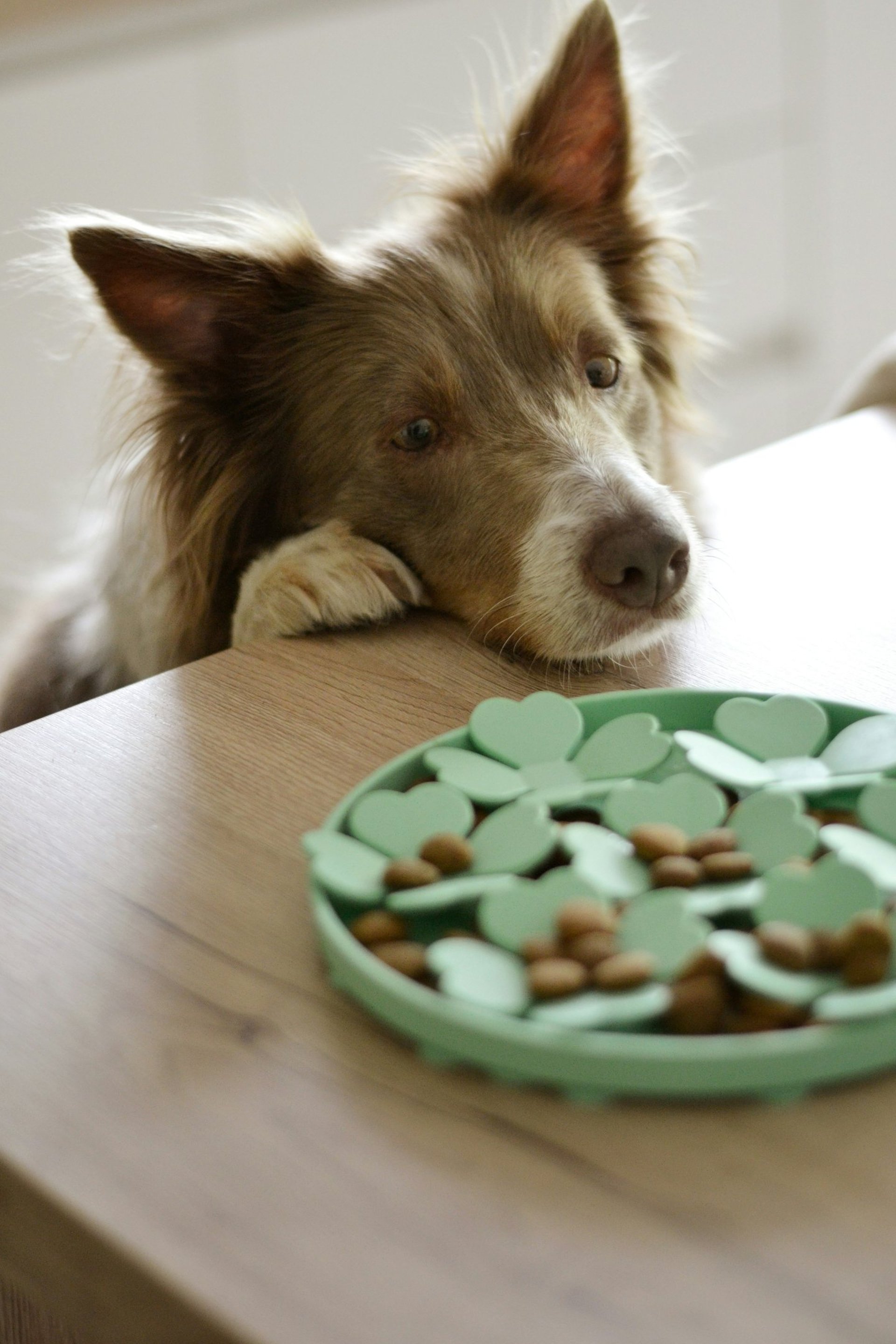
In the domestic environment, The Guardian often views the provision of a full bowl as the ultimate act of care. However, when we analyze the Blueprint of any species—from the smallest Forager like a hamster to the highly active Obligate Carnivore like a ferret—we find that a static, "free" meal is a biological anomaly. The Ancestral Hard-drive is not designed for passive consumption; it is built for the search, the struggle, and the eventual success of the find.
At Petzlogic, we focus on a clinical phenomenon known as Contrafreeloading.
This is the innate biological preference for The Pet to exert energy and solve problems to acquire fuel, even when the same fuel is sitting nearby in an open container. When we ignore this dynamic, we create a "Biological Dead Zone" in the habitat, often leading to a buildup of stagnant energy that manifests as anxiety, repetitive pacing, or a breach in The Firewall (Immune System) due to chronic boredom.

The Dopamine Reward: Chemistry of the Search
When The Pet engages in Management by Design feeding—using their unique motor patterns to extract fuel—the brain releases a vital surge of dopamine. This isn’t just about "fun"; it is a physiological requirement for neurological health.
This dopamine release stabilizes the nervous system and allows The Pet to transition from a state of frustration into a focused, investigative state. Without this outlet, the internal pressure of the Ancestral Hard-drive builds up. Whether you are living with a reptile, a bird, or a small mammal, if the biology isn't allowed to work for its fuel, it will find other ways to satisfy that "search" signal—often through repetitive, destructive behaviors or structural tension in The Shock Absorbers (Spine).
Respecting the Species Firewall
Every classification of The Pet under our care possesses a distinct Biological Signal. To optimize their health, we must tailor their foraging dynamics to match their specific anatomy and ancestral requirements.
Small Mammal Foragers
(Rats, Mice, Hamsters, Gerbils, Chinchillas)
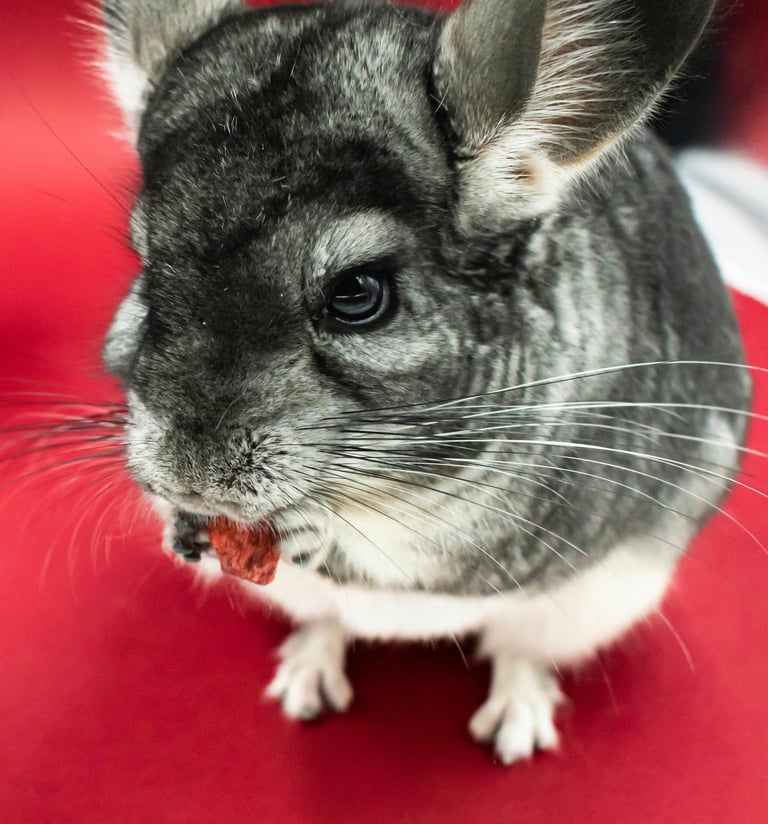
These species are the master excavators and gatherers. Their Blueprint demands the act of sorting, burrowing, and pouching. By hiding fuel within deep substrates or tactile barriers, we encourage the use of,
The Broken Pillar (Skeletal system) as they stretch, dig, and climb. For a chinchilla or a hamster, a bowl is a missed opportunity for the kinetic movement their bodies require.
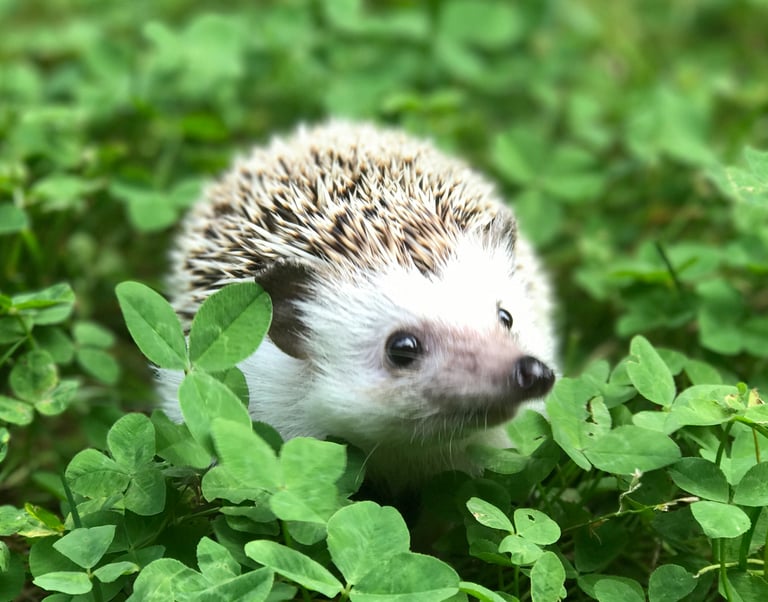
Specialized Omnivores and Insectivores
(Hedgehogs, Sugar Gliders)
For these species, the search is often sensory-heavy. Their Ancestral Hard-drive is wired for the "hunt" of insects or the extraction of saps and nectar. Providing fuel in a way that requires manipulative problem-solving—such as hiding insects in safe, shreddable materials—mimics the natural complexity of their habitat and keeps their metabolic engine running at peak efficiency.

The Obligate Carnivore
(Cats and Ferrets)
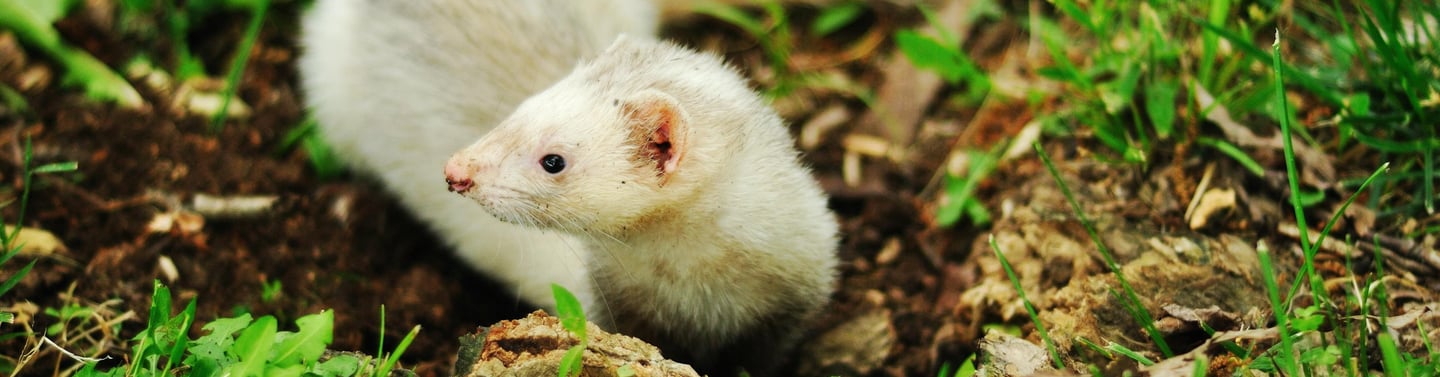
These species operate on a high-intensity predatory loop. Their Blueprint requires stalking, pouncing, and extraction. For a ferret or a cat, a meal should be a "Search and Rescue" mission—hiding fuel in tunnels, on high-reach platforms, or inside extraction puzzles that force them to utilize the full flexibility of The Shock Absorbers.


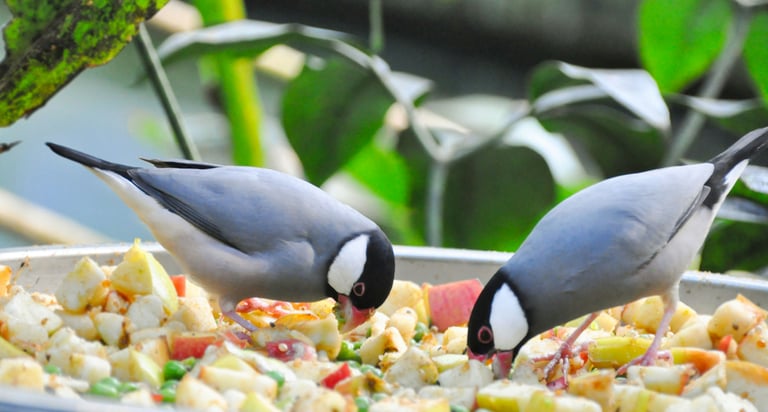
Birds
(The Aerial Foragers)
Birds possess incredible dexterity and a biological need for destruction. Their foraging should involve shredding, unscrewing, or de-shelling. When a bird is forced to work for every seed or pellet, it prevents the development of stereotypical behaviors and keeps the respiratory and immune systems—The Firewall—strong.
Ectothermic Foragers
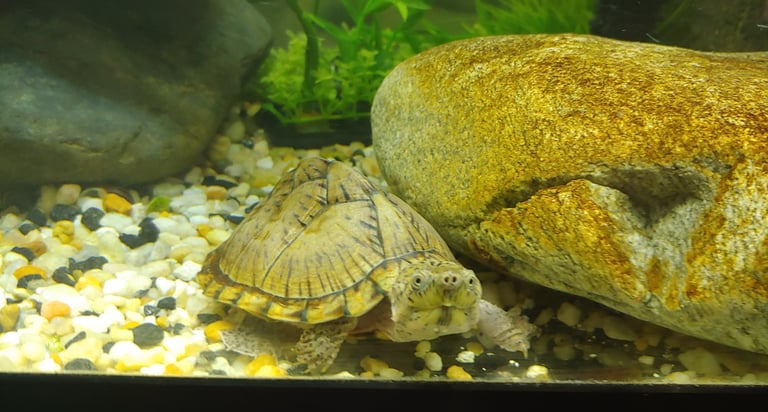
(Reptiles, Amphibians, Turtles)
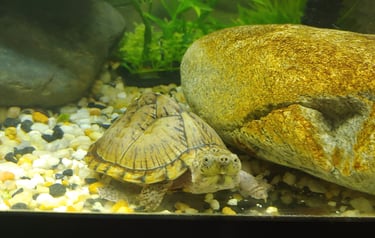
Even in species with slower metabolic rates, the "Biological Signal" for the search is present. For a turtle or a reptile, placing fuel in different locations or requiring movement through varied terrain to reach a meal ensures that The Broken Pillar remains fluid and strong. It converts a static enclosure into a dynamic "Yes Space."
Integration: The 90-Day Roadmap
Applying foraging logic requires a respect for the nervous system's timeline. We do not rush the biology; we allow it to adapt.
Days 1–3 (Decompression): We keep it simple. Scatter fuel on a flat surface so The Pet can see it clearly. This prevents the nervous system from feeling overwhelmed by "puzzles" while they are still mapping the safety of their new environment.
Weeks 1–3 (Routine): We begin establishing the "Working Meal." By consistently requiring a small amount of effort for fuel, we stabilize the Ancestral Hard-drive and build environmental confidence.
Months 1–3 (Trust): This is the move into Investigative Mode. The Pet now understands that their needs are met, allowing us to introduce complex challenges that fully engage their specific motor patterns.
Petzlogic Pro-Tip
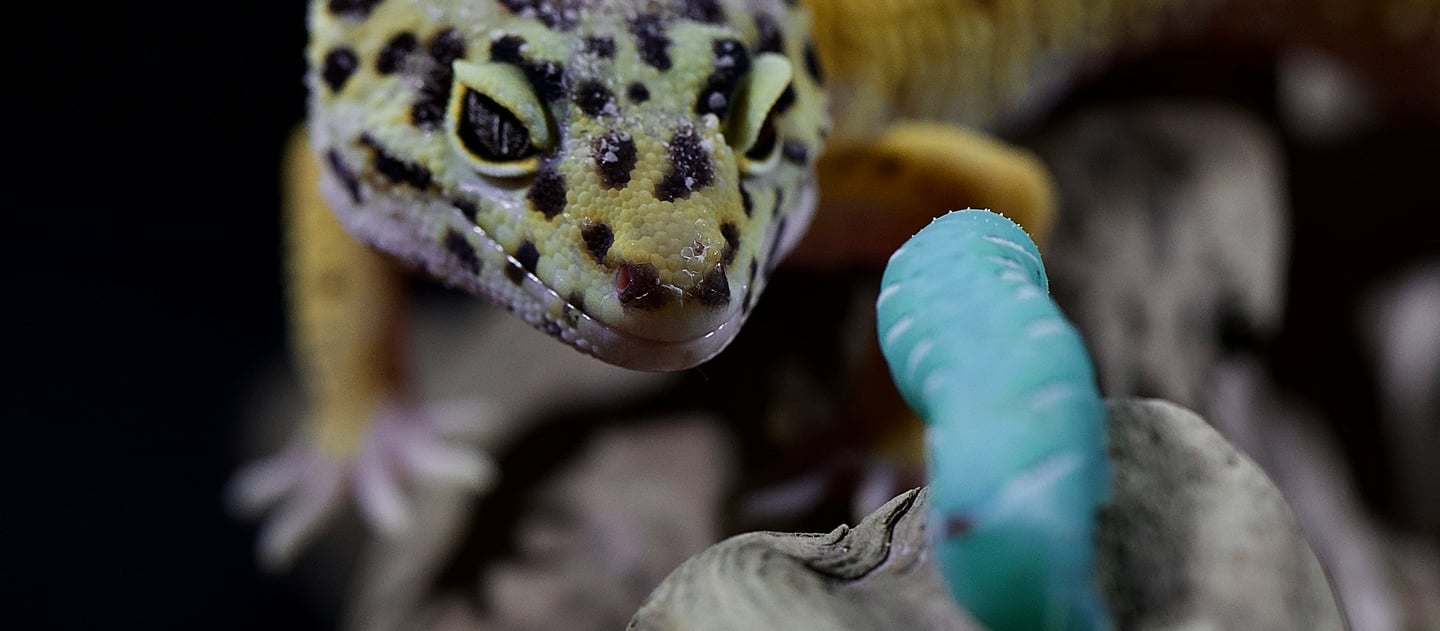
If you observe The Pet showing signs of restlessness or "bar rubbing," don't reach for a mechanical "training" fix. Check the environment. Is the habitat a "No Space" of stagnant bowls? By removing the bowl and allowing the biology to work for its fuel—using the clinical synergy of "Liquid Biology" for repair and the "Legume Pirate" mix for mechanical engagement—you fulfill the Biological Signal and naturally lower cortisol levels.
The Scavenger
(Dogs)
The Scavenger is built for ground-level scent-tracking and tearing. By moving fuel from a bowl to a "Yes Space" that requires them to sniff out hidden deposits or dismantle a barrier, we engage their primary sensory lens. This keeps The Broken Pillar (Skeletal system) active and naturally lowers their resting heart rate.


Fueling the Engine: The 80/20 Rule
We strictly adhere to the 80/20 Rule. While 80% is the primary biological fuel, the remaining 20% consists of high-value additions that reinforce the foraging habit.
Eggs: Our gold standard for bio-availability, providing essential building blocks for cellular repair.
"Liquid Biology" (Green Juice): A clinical blend of cucumber, celery, and kale. This "pre-digested" fuel is ideal for rapid nutrient uptake and cooling inflammation in The Shock Absorbers.
Mechanical Forage (Kale Stalks & Leaves): The fibrous stalks provide a critical mechanical challenge for The Broken Pillar (Jaw), satisfying the biological urge to dismantle material.
Pumpkin & Yogurt: Smear these into textured mats to encourage "licking" patterns, which are naturally soothing to the nervous system.
The "Legume Pirate" Mix (Chickpeas & Lentils): We utilize a dual-texture approach to satisfy the entire Faculty.
Hard (Dry/Uncooked): Provides essential "Mechanical Resistance" for Small Mammals and Birds. It maintains the integrity of The Broken Pillar (teeth/beaks) and offers a high-effort challenge.
Soft (Canned/Rinsed): Provides a "Soft Extraction" challenge. These are highly palatable and encourage "mashing" and "licking" behaviors, which trigger parasympathetic relaxation.
Note: Always double-rinse canned items to protect The Firewall from excess sodium.
The Petz Logic System
Download the Free P.L.A.Y. Scorecards & More. Shop Digital Trackers & Premium E-Books & Systems by Petz Logic


© 2026 Petz Logic. All Rights Reserved. Empowering you with knowledge, not prescriptions. This content is for educational use and does not replace your vet. As an affiliate, we may earn a commission from qualifying purchases at no extra cost to you.
Petz Logic™ and the Petz Logic logo are trademarks used by PetzLogic.com.
Contact me & tell me your story


Don’t miss out Join the Pack
I will be constantly adding new logic and tools to this ecosystem. Enter your email to be notified when we release new guides or major updates.
No spam, just logic.
petzaremylife@petzlogic.com


A Personal Note
I’m building this ecosystem by hand, piece by piece. Since it’s just me behind the blueprints, I’m always open to hearing your comments, concerns, and suggestions. I look forward to evolving this design with your feedback. As we grow, I’m planning to add a dedicated Q&A section to help us get Petz Logic where you all need it to be.
All I ask is that you bring those words with kindness. Let’s keep this community as respectful as the animals we love.
Thank you so much 😊
Mo