




Add your promotional text...

THE BIOLOGY OF ATTACHMENT:

The Universal Safety Signal

In the Petz Logic framework, connection is about more than just affection—it is a survival mechanism. Every animal in your home, from the pack-oriented dog to the solitary reptile, relies on a constant "Safety Signal" from their environment. When that signal is clear, they can go "off-duty." When it is broken or inconsistent, the result is biological panic.

To Stop Guessing why your pet is clingy, distant, or reactive, we look at their Neurological Blueprint. This blueprint is formed by their species' social software and their individual history—including how long they remained with their litter or clutch during those critical early weeks.

Decoding the Universal Safety Signal

Every species in your home has a specific "Safety Signal" they look for to confirm their environment is stable. When you understand their specific wiring, you can identify how they are currently attempting to connect with you:

The Secure Anchor (The Stable Connection):

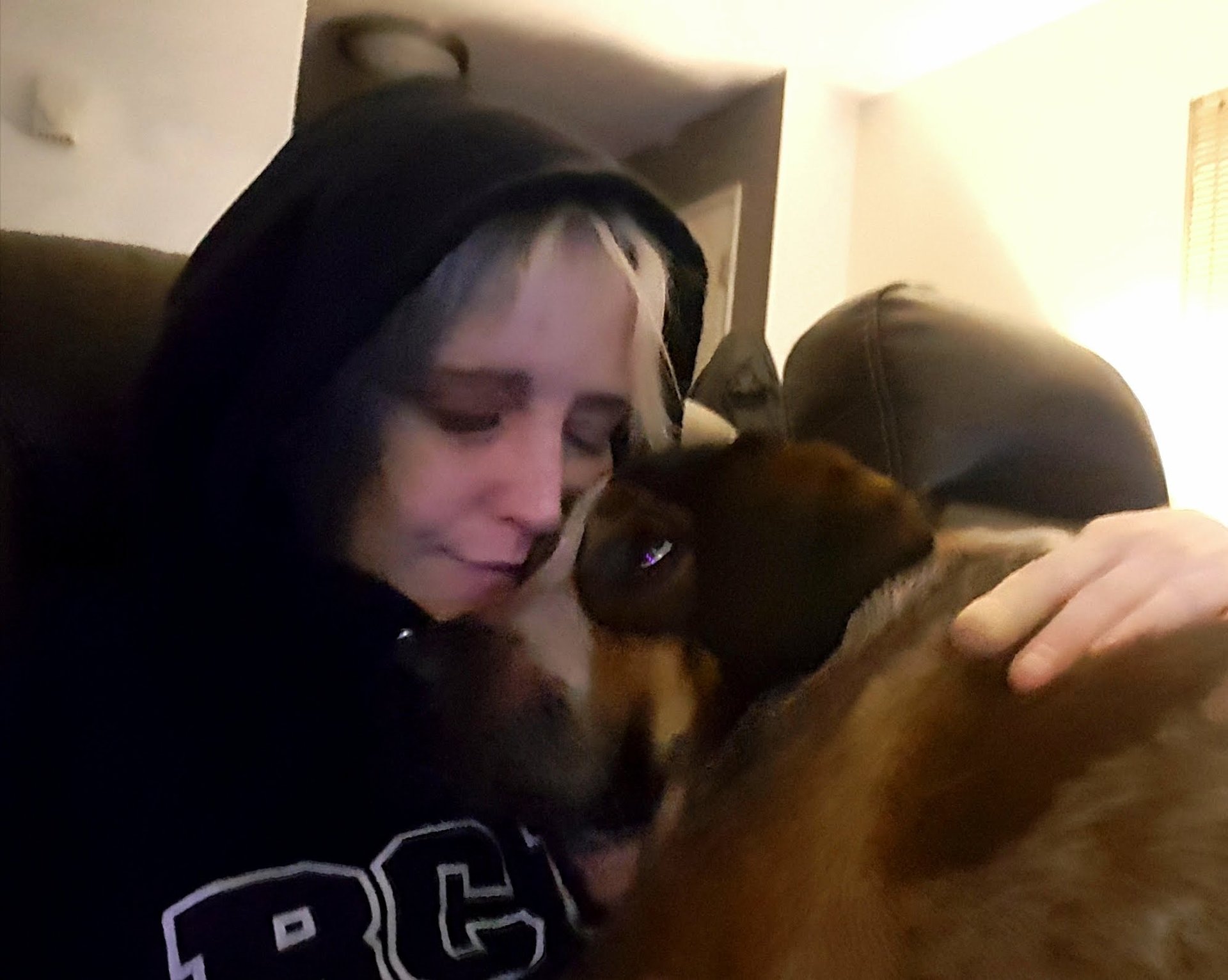
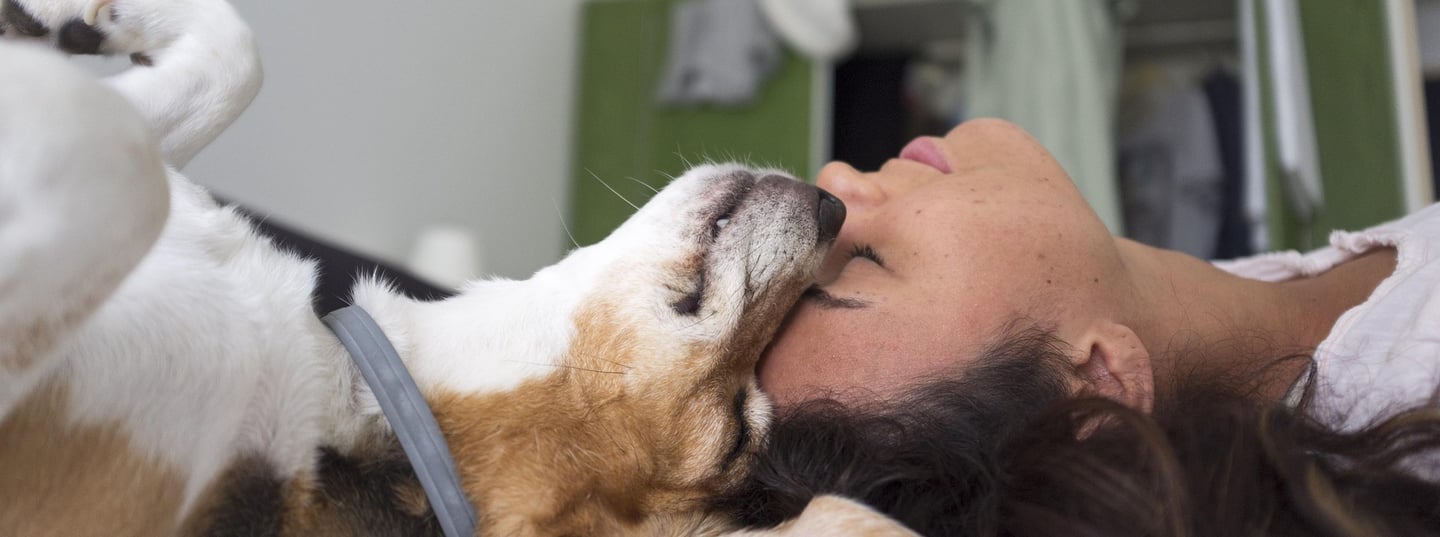
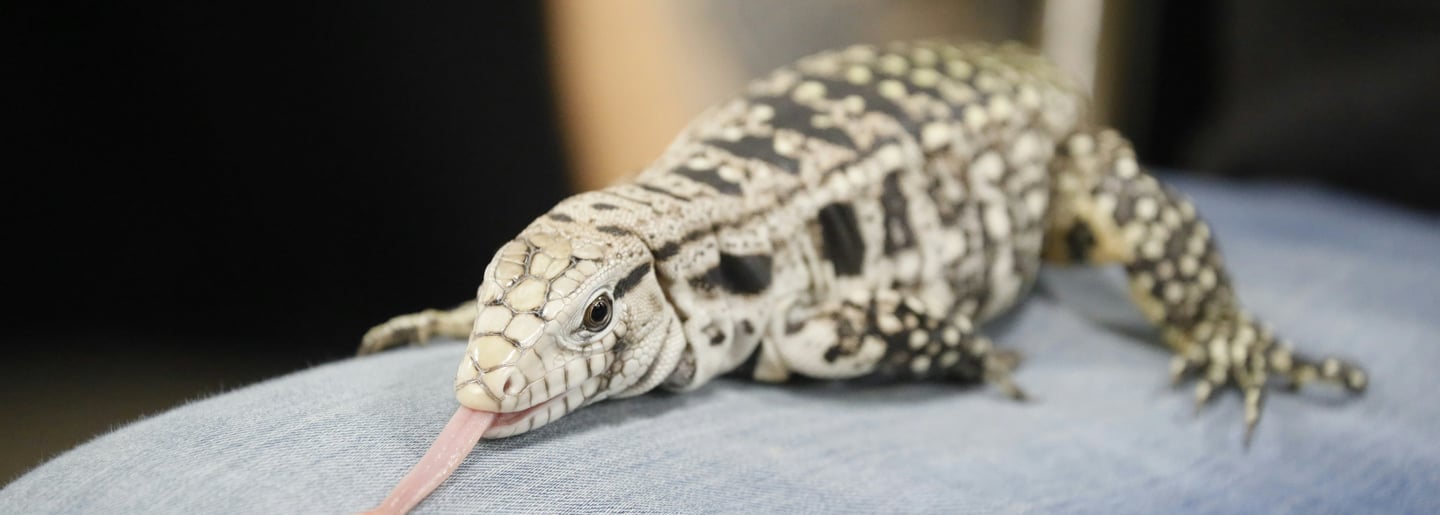
  • This is the goal for every animal in the Faculty. A securely attached pet views you as a Secure Base. They are happy and relaxed when you are present, but they are confident enough to focus on their own world. Whether that is a Dog napping at your feet, a Rat grooming in a hammock, or a Reptile basking in the open, they aren't hyper-vigilant because they trust that you (the Lead) have the perimeter handled.

    The Hyper-Vigilant Attachment (The Monitoring Logic):

    Often mistaken for "extra love," this is a state of high-intensity social monitoring. The animal views the human as a "fluctuating resource" and doesn't trust the environment to stay stable if the Lead moves. This pet isn't just "near" you; they are hyper-focused on your every muscle twitch. They cannot enter a deep recovery state because they are too busy tracking your status to ensure their own safety.

    Note on Development:

    In social species (dogs, birds, rats), this is can be linked to being removed from the litter before the 10-week mark, leaving the brain without the maternal "regulation" needed to feel secure.

    The Avoidant or Disordered Connection:

    Common in solitary specialists or animals with a history of inconsistent social signals. These animals have learned that physical connection is either unpredictable or overwhelming. They may choose to stay in a state of permanent "Solo Mission," or they may "flip-flop" by approaching for attention and then suddenly bolting or snapping because their brain is caught in a loop of "I need you" vs. "I don't trust you."

The Strategy: Building the Secure Base

Regardless of an animal's start in life, we can work to stabilize the signal.

  1. The Peace Test: If you are in the room and your pet is deeply asleep, grooming, or focused on a foraging project, you are a Secure Base. They don't need to be in another room to be stable; they just need to feel safe enough to stop monitoring you.

  2. Neutral Lead Energy: Animals co-regulate with us. Moving with calm, steady purpose tells their brain that the environment is secure.

  3. Respecting the "No": Trust is built when you prove you won't overdraw the social budget. Respecting their boundaries today makes them more likely to seek your connection tomorrow.

The Human Element: The Objective Observer

As the Lead, you are a "Biological Investigator." When you see a behavior, don't just look at the action—look at the history and the intent. Are they following you because they are a lovable pack animal, or because an early life trauma left them with a broken safety signal?

Stop Guessing, Start Knowing.

Connection is a living, breathing dialogue. Whether they are a "lovable shadow" or a "silent observer," every animal in your Faculty deserves a Lead who speaks the logic of their species and respects the history of their heart.

The Developmental Adjustment: Species-Specific Windows

While the principle of "Early Separation = Social Illiteracy" is universal, the clock is different for every species in your Faculty.

  • For Dogs: It’s when they learn "bite inhibition" and how to read the complex hierarchy of a pack.

  • For Cats: Between 8 and 12 weeks is where they learn vital "social play" rules from their mother and littermates. Kittens taken too early often struggle with "single kitten syndrome"—over-arousal and a lack of boundary control with their humans.

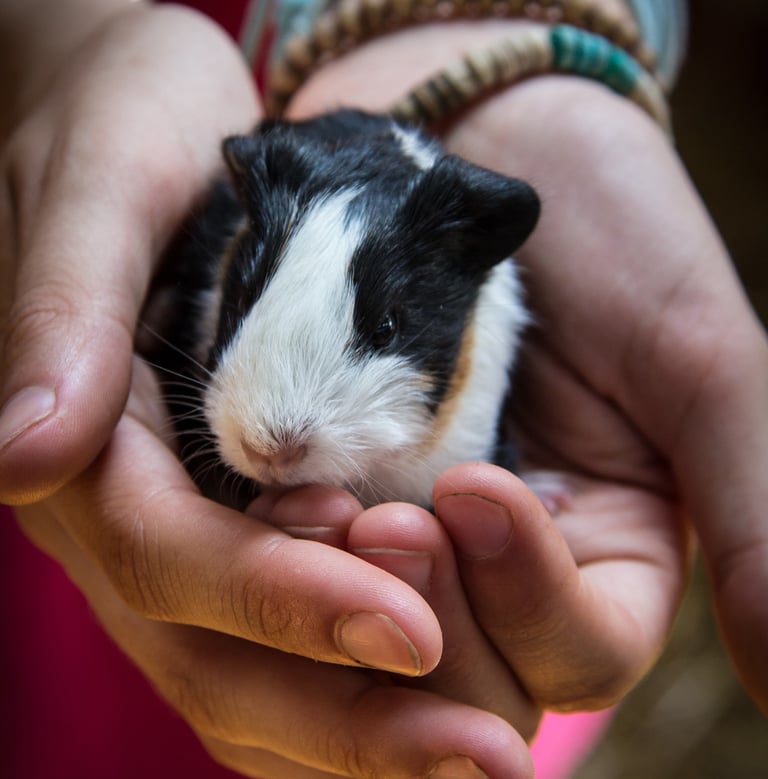
  • The 6-Week Rule (Rats & Small Rodents): For rats and small rodents, the critical window is between 4 to 6 weeks.

    • At 4 weeks: They are physically weaned but still learning social "grammar" from their mother and littermates.

    • At 6 weeks: They are ready to transition to their new home. Removing them at 3 weeks (which unfortunately happens in feeder-bin situations) often results in those "Hyper-Vigilant" or "Disordered" behaviors because they never learned how to co-regulate with a group.

  • The 12-Week Rule (Social Birds): For many parrots, the window is even longer. They often stay with parents or in a nursery environment for 12 weeks or more until they are fully "fledge-weaned."

  • The "Born-Ready" Logic (Reptiles): As we noted, they skip this entirely. Their security is purely environmental from day one.

The Petz Logic System

Download the Free P.L.A.Y. Scorecards & More Shop Digital Trackers & Premium E-Books & Systems by Petz Logic

© 2026 Petz Logic. All Rights Reserved. Empowering you with knowledge, not prescriptions. This content is for educational use and does not replace your vet. As an affiliate, we may earn a commission from qualifying purchases at no extra cost to you.

Petz Logic™ and the Petz Logic logo are trademarks used by PetzLogic.com.

Contact me & tell me your story

Don’t miss out Join the Pack

We are constantly adding new logic and tools to the hub. Enter your email to be notified when we release new guides or major updates.

No spam, just logic.

petzaremylife@petzlogic.com

A Personal Note

I’m building this ecosystem by hand, piece by piece. Since it’s just me behind the blueprints, I’m always open to hearing your concerns and evolving this design with your feedback. As we grow, I’m planning to add a dedicated Q&A section to help tackle the specific logic of our pets' lives.

All I ask is that you bring those words with kindness. Let’s keep this community as respectful as the animals we love.

Thank you so much 😊

Mo