Add your promotional text...

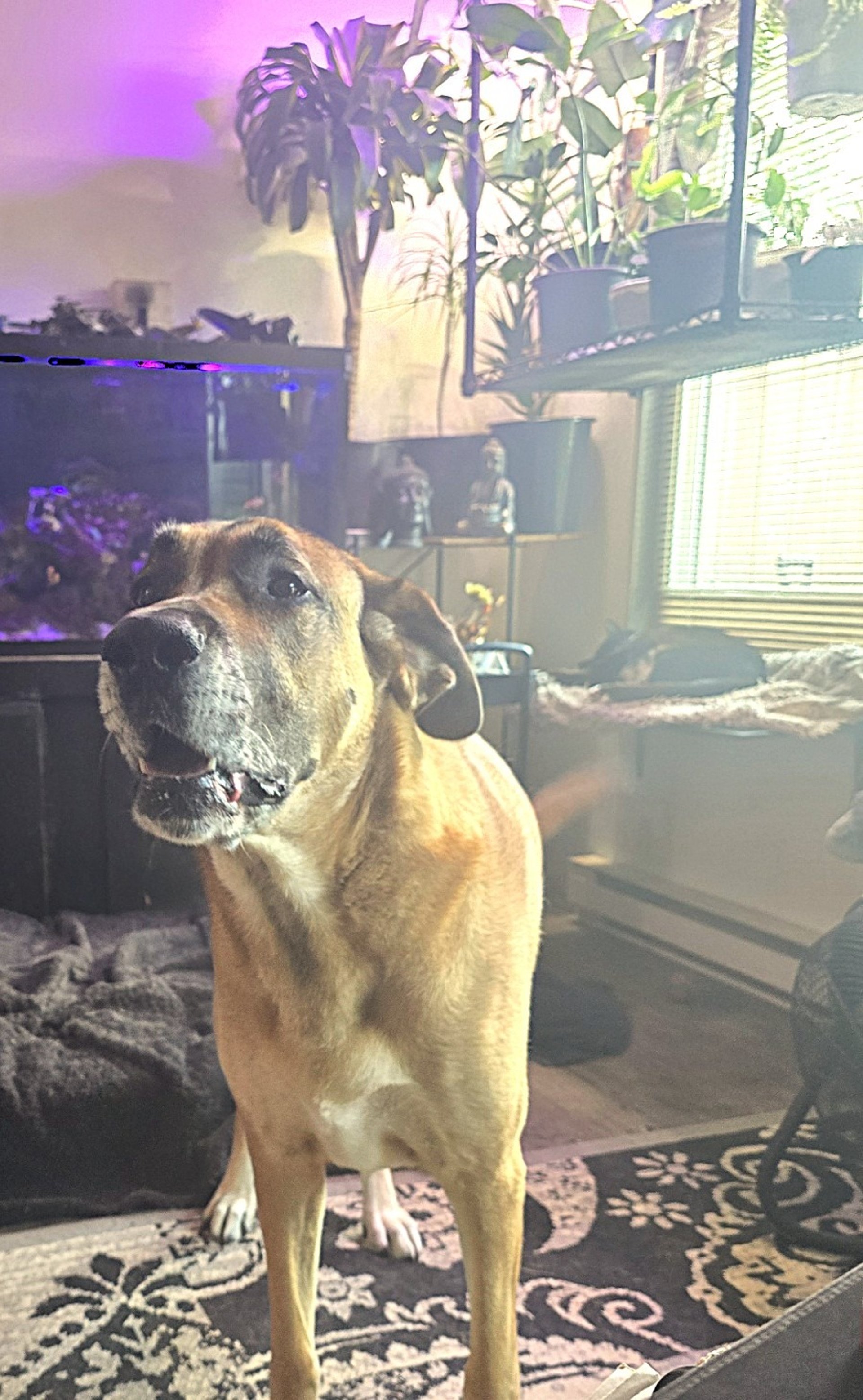
THE CONTACT CALL:
Come Here vs. Go Away
Deciphering why an animal is making noise is one of the most challenging puzzles a pet owner faces. In the Petz Logic framework, we move past the idea that noise is just "bad behavior" or "noise for the sake of noise." Instead, we view every vocalization as a sophisticated, multi-layered negotiation of space and safety.
A single sound can have a dozen different origins depending on the species, the environment, and the individual's history. To Stop Guessing why the volume in your home is spiking, you have to look deeper than the sound itself. You have to look at the Biological Intent. By decoding the layers of the Contact Call and the Warning Signal, you stop reacting to the noise and start answering the actual conversation.
The Social Spectrum: Seeking the "Safe" Volume
In our system, we categorize vocalizations based on the "Social Budget." Is the animal trying to "deposit" social energy (Connection) or is the budget overdrawn (Distance)?
1. The Contact Call (The Search for the Team)
For Obligate Social species like dogs, parrots, rats, and guinea pigs, silence is rarely golden—it is a sign of isolation.
The Rhythmic Loop: This is the persistent, repetitive sound (whining, rhythmic barking, or a specific "cheep") designed to find the Lead. It is a biological sonar ping.
The Escalation Hook: If the first "ping" isn't answered, the brain can escalate the frequency and volume. What started as a low whine can turn into a window-rattling scream because the animal’s internal panic center is convinced they are truly alone and vulnerable.
The Answer: We use the Verbal Anchor. By providing a calm, low-energy response before the escalation happens, you confirm the "team" is still intact without needing to physically enter the space.


2. The Warning Signal
(The Defensive Border)
For Solitary Specialists and even socially flexible pets like domestic cats, noise is often used to prevent a physical conflict.
The Low-Frequency Growl/Hiss: This is a clear "Back Off" signal. It is the animal’s way of saying their social budget is at zero and they need immediate autonomy.
The Misunderstood Communication: In many households, these sounds are punished. At Petz Logic, we view a hiss or a growl as Successful Communication. The animal is trying to avoid a bite by giving you a clear audio boundary.
The Answer: The only logical response is a Space Yield. Backing off and breaking eye contact proves to the animal that their voice has power and they don't need to use their teeth to get their point across.


The Complex Layers: Why is it Never Simple?
If it were just "come here" vs. "go away," everyone would be an expert. The difficulty lies in the Branches of Intent. A single bark or meow can be influenced by several overlapping factors:
The Hormonal Amplifier: As we discussed in our nesting section, a bird or dog in a hormonal spike will have a much "louder" and more reactive vocal baseline. Their "Contact Call" might sound more like a frantic demand than a simple check-in.
The Sentry Load: If an animal feels they are the only ones guarding the house, every outside noise (a car door, a neighbor walking by) triggers an Alert Bark. This isn't a call for you—it is a broadcast to the "intruder" and a status report to the pack.
The Boredom Loop: In high-intelligence species like parrots or working dogs, noise can become a "project." If the environment is stagnant, the animal might use noise simply to see what kind of reaction they can get from the Lead.


The Strategy: Conducting an Audio Audit
To master the Social Drive, the Lead must become a data collector. You aren't just a listener; you are an investigator mapping out the "Why."
The Frequency Map: Notice the timing. Does the noise happen only when you leave? Only when the mail arrives? Only when the house is too quiet? Mapping the "when" helps you identify if the root is Isolation, Sentry Duty, or Boredom.
The Tonality Check: Is the sound high-pitched and rising (Panic/Excitement) or low and steady (Warning/Authority)?
The "Acknowledge & Release" Protocol (For Alerts): When your dog barks at a noise outside, don't yell. Instead, walk to the window, look out, and then calmly say a "Release Phrase" (like "Got it, thank you") and walk away. You are showing the dog that the Lead has inspected the perimeter and the data is processed. This allows their brain to stand down from Sentry Mode.
The Verbal Anchor (For Contact Calls): Answer the "ping" with a calm, low-energy verbal check-in before the animal reaches a state of panic.
The Space-Yield (For Warnings): If you hear a hiss or growl, back off immediately. Prove that their voice has the power to protect their space so they don't feel forced to bite.


The Human Element: The Calm Conductor
Your reaction to noise is the loudest signal in the house. As the Lead, your goal is to stay lower in energy than the animal. If you meet their high-intensity noise with your own high-intensity frustration, the "Logic" of the home breaks down.
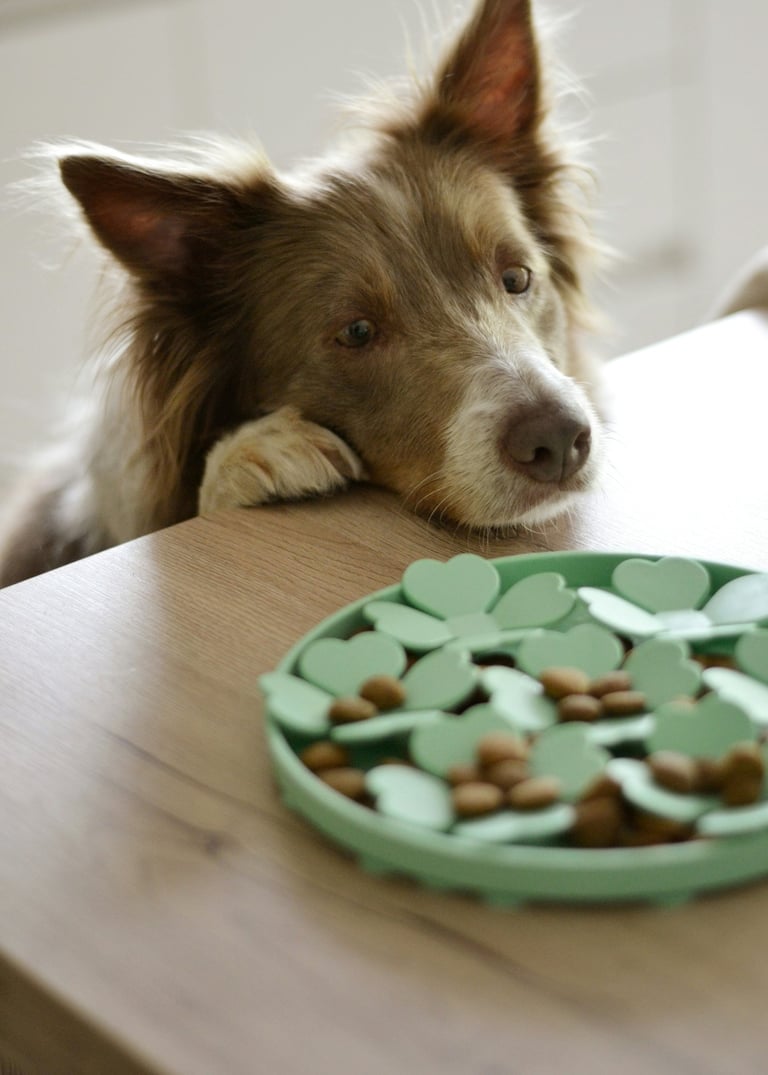

The Circuit Breaker: Voice & Noise Commands
When the volume is rising, the goal is to "slow the moment" and interrupt the neurological loop. We use a Circuit Breaker—a quick, neutral noise or voice command—to snap the animal’s brain out of the repetitive cycle and back toward the Lead.
The Quick Noise: A short, sharp sound (like a tongue click or a soft "shhh") can act as a biological reset button. It isn't a "scold"—it’s a sensory input that forces the brain to pause and re-orient.
The Neutral Answer: Whether you are acknowledging an alert or providing a verbal anchor, do it with a matter-of-fact energy. Use a low, calm voice command like "Steady" or "I see." You aren't reacting to the noise; you are answering the biological requirement behind it with authority and peace.
Every scream, hiss, and bark is a sentence in a biological language. When you learn to read the intent behind the audio—and the complexity of the "Alert" response—you stop the struggle and start the dialogue. By leading with calm and using quick, logical noise triggers, you can guide your pet back to a state of quiet confidence.
The Petz Logic System
Download the Free P.L.A.Y. Scorecards & More Shop Digital Trackers & Premium E-Books & Systems by Petz Logic






© 2026 Petz Logic. All Rights Reserved. Empowering you with knowledge, not prescriptions. This content is for educational use and does not replace your vet. As an affiliate, we may earn a commission from qualifying purchases at no extra cost to you.
Petz Logic™ and the Petz Logic logo are trademarks used by PetzLogic.com.
Contact me & tell me your story

Don’t miss out Join the Pack
We are constantly adding new logic and tools to the hub. Enter your email to be notified when we release new guides or major updates.
No spam, just logic.
petzaremylife@petzlogic.com


A Personal Note
I’m building this ecosystem by hand, piece by piece. Since it’s just me behind the blueprints, I’m always open to hearing your concerns and evolving this design with your feedback. As we grow, I’m planning to add a dedicated Q&A section to help tackle the specific logic of our pets' lives.
All I ask is that you bring those words with kindness. Let’s keep this community as respectful as the animals we love.
Thank you so much 😊
Mo