Add your promotional text...
The Introduction Hierarchy
Scent Before Sight
You’ve survived the quarantine phase, and your new arrival has successfully slept off their initial adrenaline crash. Now comes the moment everyone gets anxious about: the introduction.
When you read traditional pet advice, introductions are usually presented as a neat, one-way ladder: do step A, move to step B, achieve perfect harmony. But at Petz Logic, we know behavior is a gamble, and real life is rarely linear.
If you treat introductions like a strict, one-sided checklist, you are setting yourself up for failure. Why? Because an introduction is a dynamic, fluid conversation between two entirely different nervous systems.
Your resident animal might be completely unbothered, while your newcomer is vibrating with barrier frustration. Your new kitten might be ready to leapfrog straight to visual contact, while your senior dog needs days just to process the new ambient sounds.
We don't use a rigid hierarchy to force animals into a box. We use the three core sensory channels—Scent, Sound, and Sight—as a flexible, two-way highway. You must constantly monitor both sides of the door, reading the feedback your animals are giving you, and be fully prepared to step forward, pause, or troubleshoot when the data tells you things are going sideways.
The Core Logic: The Two-Way Data Stream
Animals are constantly broadcasting data through their body language, pheromones, and stress levels. During an introduction, you aren't just teaching the new animal about the home; you are managing a two-way traffic system.
If you rush to the next sensory layer because one animal seems fine, you completely compromise the more vulnerable animal on the other side of the equation. Conversely, if you keep things locked down strictly because a standard timeline says so—even though both animals are showing relaxed, curious, or entirely neutral cues—you miss a natural window of organic acceptance.
The goal is to offer sensory information in manageable chunks, watching for the biological feedback from both parties, and adapting your pace on the fly.




The Three Layers of the Hierarchy
Because behavior is always a gamble and nothing is ever for certain, you must move through these three distinct layers methodically. If any animal displays signs of tension or hyper-vigilance, you simply pause, step back a layer, and allow the baseline to stabilize.
1. Scent The Chemical Handshake
Scent is the baseline database. Swapping items allows both animals to investigate each other's chemistry with zero physical pressure. But how they react tells you exactly where their nervous systems are starting from.
The Two-Way Action: Swap blankets, towels, or small amounts of habitat substrate between the new arrival's quarantine space and the resident pet's core territory. Pair the item immediately with a high-value resource (meals, favorite treats, or structured praise) right next to the scent marker.
What "Right" Looks Like: Animals sniff the item with relaxed, loose body language, maybe investigate it for a minute, and then comfortably move away to eat, sleep, or play. This neutral data tells you their baseline is stable.
When it Goes Wrong: An animal sniffs the item and immediately stiffens, low-growls, hisses, thumps a foot, arches their back, or hyper-fixates on it for hours, refusing to disengage.
The Real-Time Fix: Do not force the item into their space. Move the scented asset further away—across the room or down the hallway—and feed them at a distance where they can see or smell it but remain relaxed. Slowly move it closer only as their body language softens over multiple sessions.


2. Sound The Acoustic Footprint
Sound bridges the gap between an invisible scent and a physical presence. Hearing muffled vocalizations, scratches, or movement through a barrier lets both animals map out exactly where the other is in the home's layout.
The Two-Way Action: Conduct normal household routines on either side of a heavy, closed door. Let them hear each other naturally without any visual exposure.
What "Right" Looks Like: Both animals acknowledge the sound (a pricked ear or a brief look toward the door) but easily redirect their attention back to you, their toys, or their food.
When it Goes Wrong: Whining, frantic scratching at the door, pacing the barrier, explosive barking, or a complete freeze-and-hide response the moment a sound is made on the other side.
The Real-Time Fix: This is classic barrier frustration or alarm. You need an acoustic buffer. Increase the distance by moving one animal further back from the door, or play a white noise machine or television near the barrier to muffle the sharpest sounds. Reward both animals with high-value protein or fruit bridges during moments of quiet neutrality to rewrite the acoustic association.


3. Sight The Visual Confirmation
Visual data is highly stimulating and can instantly spike predatory drive, territorial defense, or intense fear if introduced carelessly.
The Two-Way Action: Use a secure, controlled barrier (a sturdy baby gate, an exercise pen, or a cracked door locked with a heavy doorstop). Allow a brief, partial glimpse of each other at a safe distance.
What "Right" Looks Like: Soft eyes, slow blinking, loose tail wags, or a complete lack of tension. They look, look away, and can easily take a treat from your hand.
When it Goes Wrong: Lunging, hard staring (eye-locking with zero blinking), raised hackles, spitting, frantic flapping, or fleeing the room in a panic.
The Real-Time Fix: Shut down the visual line of sight immediately by dropping a sheet over the gate or closing the door. You pushed too fast, or the distance was too close. Drop back to the Sound or Scent phase for a few sessions to lower the cortisol levels. When you try visual contact again, dramatically increase the distance between them, keep the session to a micro-dose of 5 to 10 seconds, and end it before either animal has a chance to stiffen up.
The Multi-Species Progression Timeline
Every species processes this hierarchy through a unique sensory lens, and their pacing must adapt to their evolutionary design.
Canines (The Olfactory Hard Drive): Dogs are olfactory geniuses. They can spend 20 minutes intensely reading a scent swap towel. For puppies and adult rescues alike, rushing past Layer 1 to Layer 3 often results in hyper-fixation and barrier frustration. Let them thoroughly process the chemical handshake until they no longer sniff the swapped asset with high-alert body language.
Felines (The Spatial Security Obligates): Cats are intensely territorial and highly sensitive to pheromones. A sudden visual encounter can cause a confident 16-year-old tabby to drop into total lockdown or go on a vocal defense. Scent-swapping is a delicate art for cats; you may need to rub a cloth gently along the newcomer's cheeks to capture comforting facial pheromones before presenting it to the resident cat.
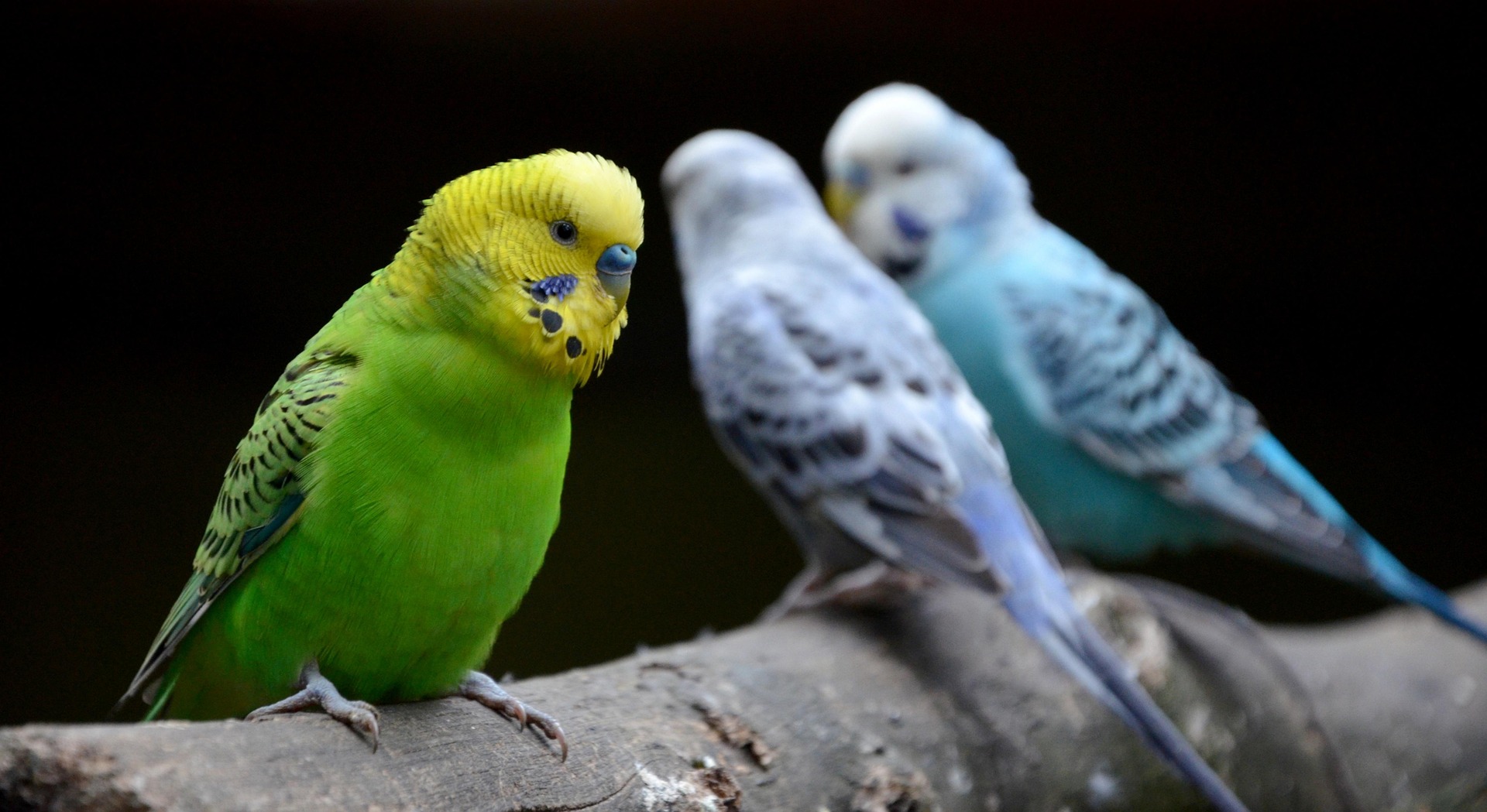
Avians (The Acoustic Specialists): Birds rely heavily on sight and sound. Even though your new bird is strictly quarantined in another room, your veteran bird will hear their calls. Pacing for birds is all about acoustic validation—ensure your resident bird is allowed to call back and vocalize freely during Layer 2, proving their place in the flock hasn't been silenced.
Ferrets & Sugar Gliders (The Scent Colony Driven): These complex exotics rely entirely on group scent profiles. A new ferret or glider smells like an immediate invader. They require an extended stay at Layer 1. Rushing them to sight or physical contact can trigger violent territorial infighting or severe stress-induced illnesses.
Prey Mammals (Rats, Guinea Pigs, Chinchillas, & Rabbits): For these sensitive herbivores, a visual surprise from a potential predator (like a new dog or cat) can trigger dangerous GI stasis or an intense panic response. They should experience the hierarchy purely from the absolute safety of their secure habitats, utilizing scent-swapping to get used to the newcomer's chemistry while their environment remains physically uncompromised.
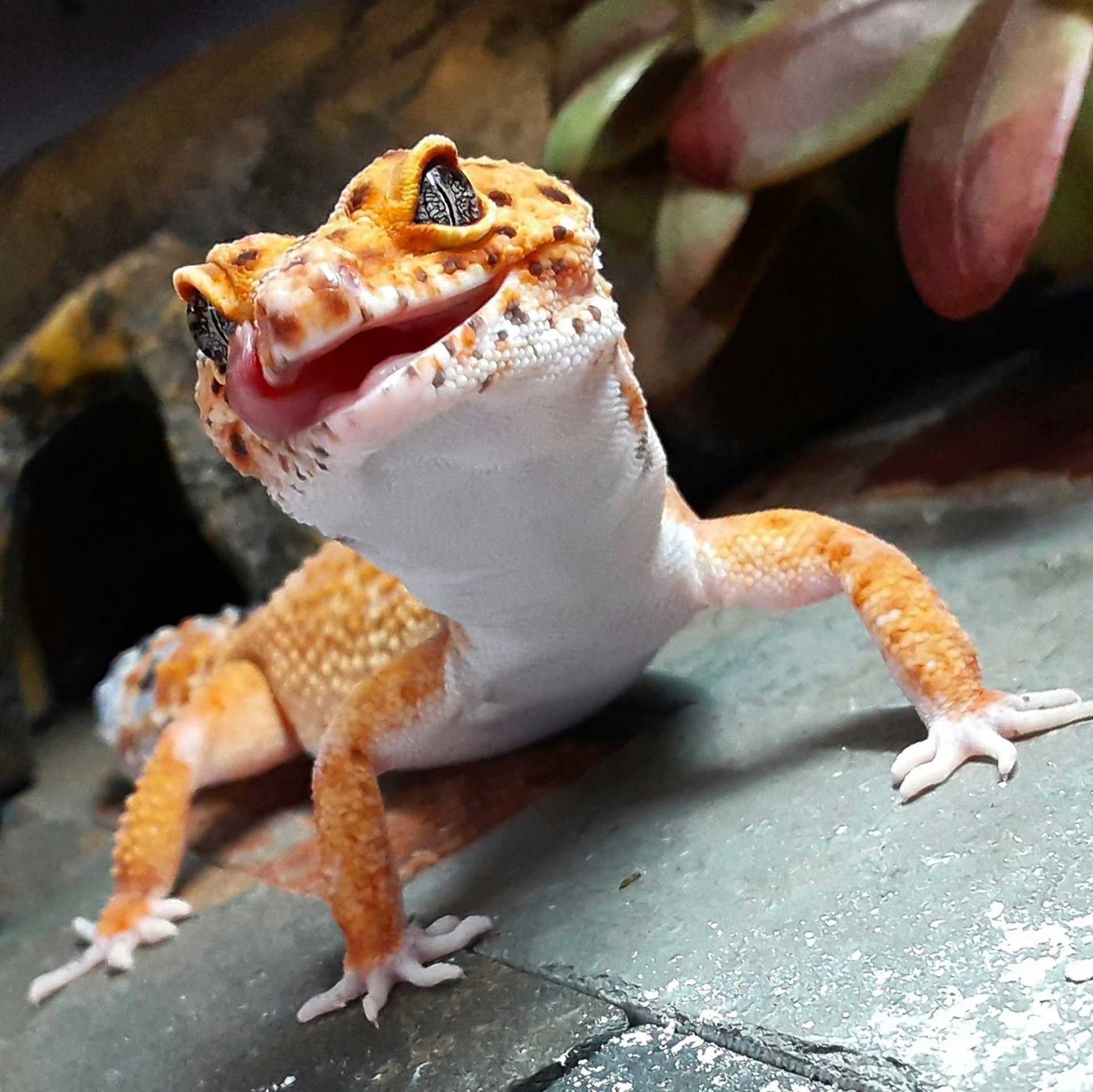
Reptiles & Amphibians (The Visual Tracking Minimizers): Reptiles do not care about social bonding, but they are highly triggered by visual movement. A new animal pacing past a terrarium represents a constant predatory threat. They should largely skip active visual introductions; their version of peace is keeping their micro-climate pristine, visually isolated, and entirely free from free-roaming onlookers.
Knowing When to Move: Your Tracking Tools
Moving from Scent to Sound, or Sound to Sight, should never be based on a guess. Because nothing is for certain, you must let the animal's biometric data tell you when they are ready for the next layer.
90 Days of Logic Manual: Use the 11 structured logs inside our interactive manual to track your pets' exact baselines during each sensory phase. Log their respiratory rates, body language cues (tensed muscles, flattened ears, or relaxed postures), and appetite success. When your data shows a consistent, relaxed baseline over several days in the presence of the swapped scent, you have the green light to move to sound.
The Petz Logic Dog and Cat Clinical Compendium: For your canine and feline family members, use our free 190-page digital clinical guide to cross-reference their physical responses. If the stress of a sensory layer triggers an unexpected physiological red flag—like a cat exhibiting signs of urinary distress or a dog refusing to eat—the compendium helps you identify the warning signs early so you can de-escalate the pacing and collaborate effectively with your veterinarian.
By respecting the evolutionary architecture of your animals, you remove the chaos from introductions. The Hierarchy of Introduction proves that true control isn't about rushing the meeting; it's about building an airtight foundation of safety, one sense at a time.




The Petz Logic System
Download the Free P.L.A.Y. Scorecards & More Shop Digital Trackers & Premium E-Books & Systems by Petz Logic

© 2026 Petz Logic. All Rights Reserved. Empowering you with knowledge, not prescriptions. This content is for educational use and does not replace your vet. As an affiliate, we may earn a commission from qualifying purchases at no extra cost to you.
Petz Logic™ and the Petz Logic logo are trademarks used by PetzLogic.com.
Contact me & tell me your story

Don’t miss out Join the Pack
We are constantly adding new logic and tools to the hub. Enter your email to be notified when we release new guides or major updates.
No spam, just logic.
petzaremylife@petzlogic.com

A Personal Note
I’m building this ecosystem by hand, piece by piece. Since it’s just me behind the blueprints, I’m always open to hearing your concerns and evolving this design with your feedback. As we grow, I’m planning to add a dedicated Q&A section to help tackle the specific logic of our pets' lives.
All I ask is that you bring those words with kindness. Let’s keep this community as respectful as the animals we love.
Thank you so much 😊
Mo